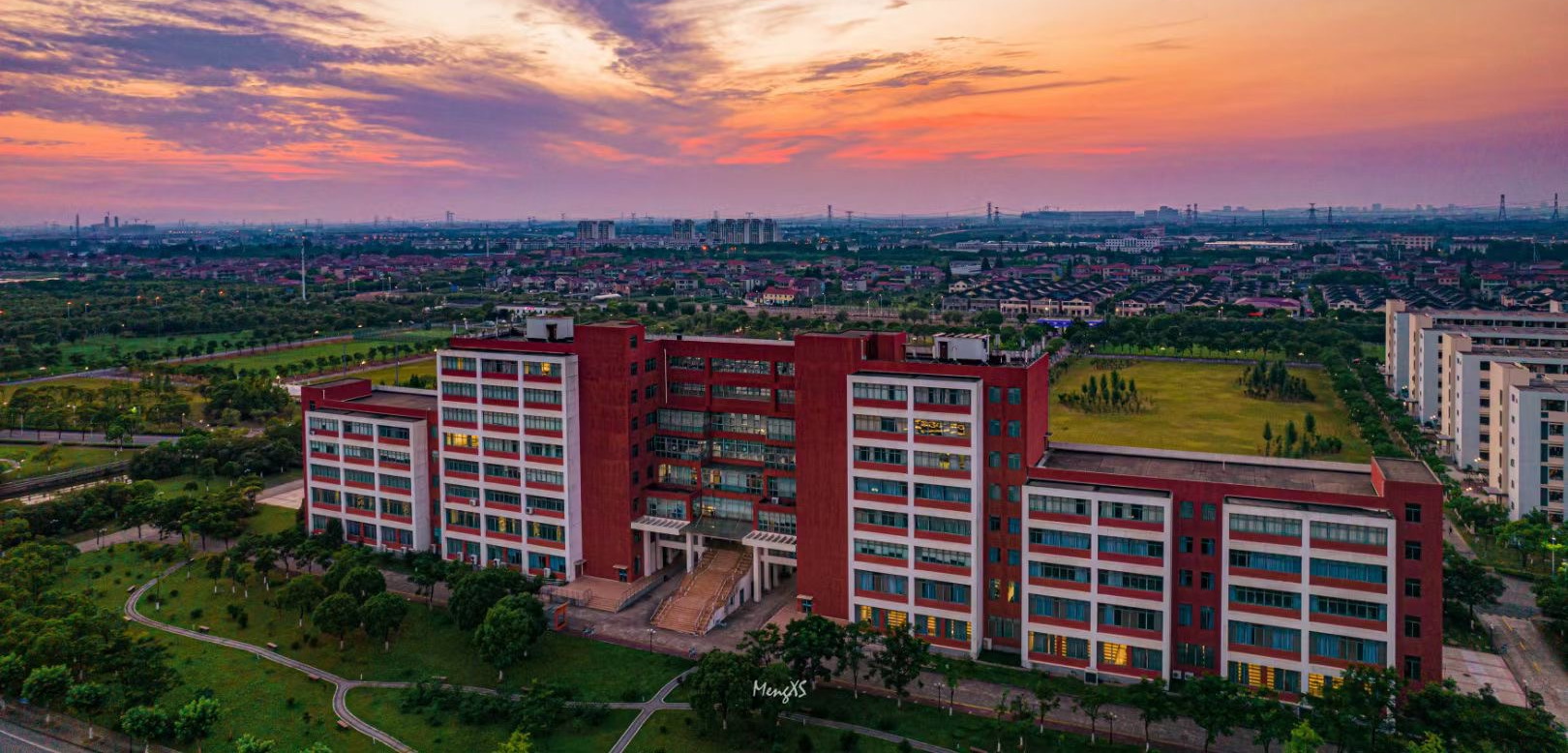
On the afternoon of March 4th, Peter Lund, Finnish Academician of Swedish Academy of Engineering Sciences, Academician of Finnish Academy of Humanities and Sciences, winner of Chinese Government Friendship Award, Jiangsu International Cooperation Award and Professor of Aalto University of Finland, was invited to visit our university. And made an academic report entitled New technologies facilitate the clean energy transition in the Machine · Encounter Biweekly Tea Gathering series of youth growth salon of the School of Mechanical and Power Engineering. Tu Shandong, member of the Chinese Academy of Engineering and President of the Association for Science and Technology of the University, Tang Jimin, Deputy Director of the Office of International Cooperation and Exchange (Hong Kong, Macao and Taiwan Office), Yi Jianjun, vice president of the School of Mechanical and Power Engineering, and some teachers and graduate students attended the meeting.
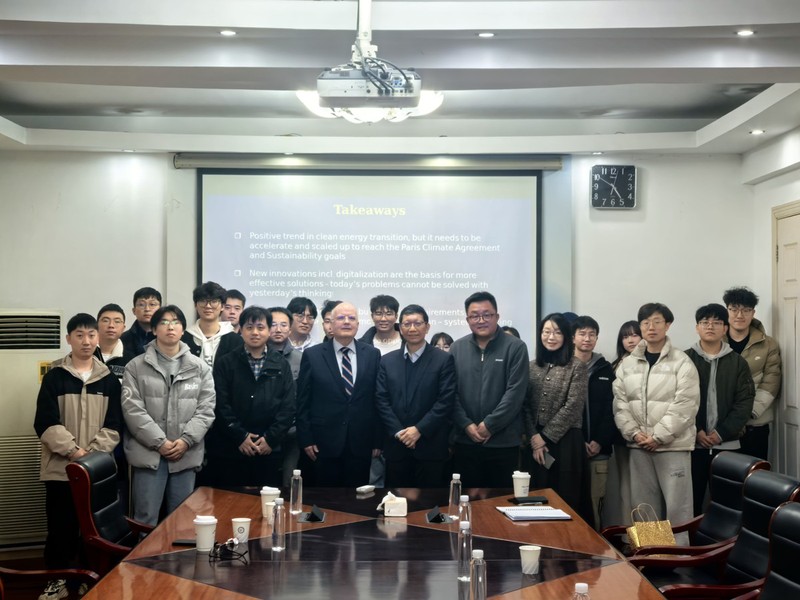
Tu first extended a warm welcome to Professor Peter Lund and introduced Professor Lund's outstanding achievements in the field of new energy such as solar technology, energy storage technology and fuel cells. Professor Lund analyzed the current development of new energy technologies in the world with detailed data based on China's carbon neutrality strategy. The status and importance of new energy in the global energy structure and its significance for sustainable development are introduced. The installed capacity, power generation and market size of solar photovoltaic power generation are described in detail. Noting that developments in digitization, storage technology and materials science have an important impact on the marketization of new energy technologies, Lund further discussed the future of new energy technologies driven by policy support, technological innovation and cost reduction through the work of the city of Helsinki in achieving carbon neutral and zero-carbon energy systems.
During the Q&A session, Professor Lund had a lively discussion on the common concerns of teachers and students about hydrogen fuel cells, solid oxide electrolyzer (SOEC) hydrogen production, and how new energy technologies can achieve a larger market by reducing costs. Professor Tu Shandong pointed out that young scientific and technological talents are new forces in the field of national engineering in the future, and placed high hopes on the participating graduate students, encouraging everyone to continue to explore for national energy security and contribute to the development of new energy technologies.
Through this lecture, the participating teachers and students have a clearer understanding of the significance of the carbon neutral strategy and the development prospects and trends of new energy technologies. The College has always attached great importance to the role of international exchanges in ing the development of education and scientific research, and actively held various international cooperation and exchange activities. In the future, the College will continue to uphold the concept of openness and inclusiveness, actively expand international exchanges and cooperation, further enhance its academic level and international reputation, and make greater contributions to ing the development of education internationalization.